
Becoming is not a single decision. It is the shape of what you practise each day. ‘365 Days of Becoming’ daily inspiration brings that idea into daily life, with a new quote, story, or exercise for each day.
A daily prompt cannot make change for you. It can create a moment to pause, look honestly at your choices, and consider what kind of person they are shaping. Some days, reflection feels clear. On others, simply returning to the question matters.
This article explores how quotes, stories, and exercises can support personal growth without promising a quick fix. You’ll see how a small daily practice can bring attention to mindset, character, and action, and how to use inspiration as a starting point for reflection rather than a substitute for it. The deeper question is not only what you hope to achieve, but who you are becoming as you move toward it.
Key Takeaways
- Use a daily prompt as a pause for reflection, not as a promise of instant change.
- Turn an encouraging idea into one specific action that reflects the person you want to become.
- Engage with each quote, story, or exercise by asking what it reveals about your choices and habits.
- Make the practice your own: return to an entry when it helps you think more clearly about what matters.
- Connect daily reflection with the larger question of who you are becoming over time.
Daily inspiration
Daily inspiration is most useful when it becomes a deliberate practice. The guide offers one entry for each day, with a quote, story, or exercise. The aim is not to collect uplifting lines. It is to consider how an idea might shape a choice, response, or action. The “365 Days of Becoming” daily inspiration practice gives readers a prompt to return to, rather than a promise of instant change.
Is “365 Days of Becoming” a guide, app, newsletter, or social media series? It is a hardcover guide, not an app, newsletter, or social media series. Its printed format lets readers open an entry and reflect without using a screen.
The hardcover was published on December 1, 2020. Those details can help readers recognize the format and choose where to keep it, such as beside a journal or on a desk.
How can you use daily inspiration prompts as part of a routine? Choose a regular moment, such as breakfast or the end of the workday. Read one entry, pause over its central idea, then write a sentence about how it applies today. If an exercise suggests an action, choose a manageable step connected to a real decision.
For example, a prompt about courage could help you prepare for a difficult conversation. A reflection on patience might change how you respond to a family member. Keep your response specific. “I will listen without interrupting in the meeting” gives the idea somewhere to go.
Are there similar daily inspiration guides or programs to compare? Compare the format and the kind of reflection each offers. Consider whether you prefer quotes, stories, exercises, or a blend. The useful comparison depends on whether a prompt, narrative, or structured exercise helps you move from reading to action.
Are there reviews or testimonials for “365 Days of Becoming”? No specific reviews or testimonials are cited here. Treat a personal account as one reader’s experience, not as a promise that the same practice will produce the same result for everyone.
Is “365 Days of Becoming” available in the United States? The hardcover was published for the U.S. market on December 1, 2020. That publication date identifies its market and release, but does not establish current retail stock.
A daily entry can earn its place through attention and follow-through. You might underline a sentence, write one response, and choose one action before moving on. Or return to an entry after a difficult day. The “365 Days of Becoming” daily inspiration guide can support either approach. What matters is whether an idea clarifies what matters or changes what you do next.
A year of entries also offers a way to notice recurring themes. Keep brief notes on ideas that return, choices you make, and moments when an intention becomes action. Those observations may reveal patterns in how you respond to pressure, relationships, and change. Reflection is not a substitute for action. It can help you act more intentionally.
Mindset and personal potential
Personal potential is not a hidden prize waiting to be discovered. It develops through choices, practice, and how you respond when plans change. A missed opportunity, for example, can prompt you to reconsider a goal rather than treat it as proof that growth has ended.
What themes and topics does “365 Days of Becoming” cover? Its central concerns include character, courage, action, habits, failure, relationships, purpose, resilience, and meaning. These themes invite reflection on who you are becoming, not only what you hope to accomplish.
Mindset matters because it influences how you interpret difficulty. Consider someone who receives critical feedback at work. One response is to treat the comments as a fixed judgment of ability. Another is to identify one skill to strengthen and ask for a specific example. The second response does not erase disappointment. It gives that disappointment a practical direction.
Daily reflection can help you distinguish a temporary feeling from a lasting value. If a difficult conversation leaves you angry, pause before deciding what the anger means. Write down what happened, what you assumed, and what you want to protect in the relationship. That separation can create room for a more considered response.
Potential also depends on action. A person who wants to lead with greater courage might speak honestly in one meeting, then notice what made that difficult. Someone seeking stronger relationships could make time for an undistracted conversation. The aim is not dramatic change in a day. It is to connect an intention with behavior you can see and repeat.
- Name the value. Choose a quality such as patience, honesty, or courage.
- Choose a situation. Identify where that quality matters today, such as a meeting or family conversation.
- Define an action. Make it observable, such as asking one thoughtful question before responding.
- Reflect afterward. Note what helped, what got in the way, and what you would change next time.
These steps keep reflection grounded. “Be more confident” is difficult to act on directly. “Share my view before the discussion ends” gives confidence a practical expression. A prompt about failure might similarly lead someone to review a decision, identify what they learned, and decide what to do differently.
Personal growth is not a contest against another person’s progress. Two people can face the same setback and need different next steps. A useful measure is whether your choices increasingly reflect your values. When reflection helps you notice the gap, potential becomes less abstract and more connected to daily conduct.
Quotes, stories, and exercises
Each daily entry includes a new quote, story, or exercise. These forms invite different kinds of attention. A quote can give language to an idea. A story can show a choice unfolding. An exercise can turn reflection toward a specific response. The value depends on how you engage, not simply on reading the words.
Take a line about honesty. Rather than treating it as a slogan, connect it to a real situation. Perhaps you avoided telling a colleague that a deadline was at risk. Ask what made the truth difficult to say and what a direct, respectful conversation could look like. The quote becomes a lens for examining your conduct.
A story offers another route. Notice the person’s decision, the pressure surrounding it, and the consequence that follows. If a character chooses to apologize after causing harm, consider what responsibility looks like in your own life. You need not agree with every choice in a story. Its details can still help you see alternatives.
An exercise makes you an active participant. Try this simple sequence after reading an entry:
- Identify one idea. Write a short phrase that captures what stayed with you.
- Connect it to a moment. Name a recent situation where the idea applies.
- Choose a response. Describe one action you can take or one question you need to ask.
- Review the result. Later, note what happened and what you learned.
For instance, an exercise about forgiveness might ask you to consider what you still carry from an old disagreement. That does not require pretending the harm was acceptable. Instead, you might write down what boundary remains necessary, what conversation could help, or what you are ready to release. The answer can be complicated. Honest reflection allows that.
Keep your notes brief enough to revisit. A notebook entry might include the date, the central idea, and a sentence about its relevance. After several entries, you may notice recurring concerns, such as avoiding conflict or neglecting rest. Those observations are not a diagnosis. They are a starting point for more deliberate choices.
Quotes, stories, and exercises also work differently on different days. A short line may feel sufficient during a busy morning. A story may deserve slower reading on a quiet evening. If an exercise feels disconnected from your circumstances, adapt its question while preserving its purpose. The practice is not to force agreement. It is to examine an idea carefully, then decide whether it offers a useful way to understand your choices.
Who created “365 Days of Becoming,” and what is its purpose?
David James Rhodes created “365 Days of Becoming” as a daily practice for reflection and growth. Its purpose is to bring attention to the person behind each goal: who you are becoming through the choices you make. It is not a promise of instant change. It offers a way to return to that question in ordinary life.
Rhodes’s wider philosophy places becoming ahead of finding a perfect path. A career may change. A relationship may end. A plan may fail. The deeper work is developing the character and judgment needed to respond. For example, after a project falls short, you might examine what happened, accept responsibility, and choose a wiser next step.
The practice speaks to people at different life stages. A student deciding how to respond to failure faces a different circumstance from a leader navigating conflict. Both can consider courage, responsibility, and purpose. The subject is not one narrow problem. It is the ongoing work of living with intention through change, achievement, uncertainty, and renewal.
That distinction matters. Inspiration can offer a moment of clarity, but it does not decide what follows. Consider someone who wants to become more reliable. The intention gains substance when they keep a commitment, communicate early when plans change, and acknowledge a mistake without shifting blame. Daily reflection can bring those choices into view.
The central question, “Who are you becoming?” is useful because it connects identity with behavior. Someone who values compassion might notice how they speak to a colleague under pressure. A person pursuing leadership might ask whether their actions create trust or merely demand compliance. In each case, the answer emerges through conduct, not aspiration alone.
Rhodes’s work also treats growth as a human concern across boundaries. His perspective draws on experience across 156 countries and fields including leadership, entrepreneurship, and behavioral health. That background informs his point of view; it does not make personal philosophy scientific proof. Readers can consider an idea, test its relevance in their circumstances, and decide what action follows.
For practical use, choose a theme that meets the moment. If courage is relevant, identify the conversation or decision you have been avoiding. If forgiveness matters, distinguish letting go from abandoning a necessary boundary. Then choose a response consistent with your values. A clear action gives reflection a place in daily life.
The purpose is not to become flawless by year’s end. It is to become more deliberate about choices, relationships, and responsibility. Whether you are beginning a new role, rebuilding after disruption, or questioning old habits, use that lens. Progress means noticing what life asks of you, then responding with greater honesty and care.
Where can I find the daily inspiration entries for “365 Days of Becoming”?
The daily entries are found in the hardcover edition of 365 Days of Becoming, published for the United States market. If you are trying to locate the work, use its complete title and David James Rhodes as the identifying details. Those details distinguish this particular collection from other daily reflection guides with similar themes.
Once you have the guide, treat the date you want as your starting point. If you are looking for a particular day’s entry, turn to that place in the sequence rather than searching for a separate collection of posts. For instance, someone revisiting a thought from a difficult Monday can find that date’s entry and compare it with notes made at the time.
A dated record can make past entries easier to find. Write the date beside a short note about the idea that stayed with you. “Tuesday, patience during a family decision” is more useful later than a vague note saying “good advice.” This creates a personal trail through the entries without changing their meaning or suggesting every reader will respond in the same way.
If you are trying to find an entry connected to a current concern, first name the concern plainly. A decision about changing work, for example, differs from a question about repairing trust. Then consider which date or section you want to revisit, using your notes and reading history as a guide. This helps you return to a relevant reflection without assuming the collection has a separate search tool or online archive.
If you are comparing formats, distinguish the daily entries from other material about personal growth. A quote shared in a post or a passage remembered from a conversation may express a similar idea, but it is not necessarily one of the guide’s entries. Use the entry itself, identified by its title and place in the dated sequence, as your reference.
If you are helping someone else locate a passage, give them the full title and the date or idea you remember. “The entry about patience that I read last week” may be difficult to identify without a date. “The Tuesday entry I noted during the conversation about a family decision” provides a clearer starting point.
The collection is a source for returning to a specific reflection, not a promise that the same entry will answer every new question. Keep your notes factual: record the date, a few identifying words, and why you returned to it. This makes it easier to find the thought again while leaving room for your understanding to change.
David James Rhodes: 365 Days of Becoming
365 Days of Becoming is David James Rhodes’s daily guide for readers who want to make reflection part of ordinary life. Its entries offer a starting point for considering personal growth, choices, and the person you are becoming.
Turn to it when you want a regular prompt, or when a question about character, purpose, or direction feels close. A daily practice can help you pause, examine an idea, and consider how it applies to a decision or relationship. It does not make the choice for you. The work lies in how you respond.
For a broader philosophy of human becoming, The Way explores how you can create a way forward through changing circumstances. The two works meet in a simple distinction: reflection can clarify the way, while your actions give it shape.
If you would like to discuss how these ideas connect with your own questions, contact David James Rhodes.
Carry the question into what comes next
A reflection matters most when it changes how you meet the next decision. The daily inspiration in “365 Days of Becoming” can be a starting point, but your choices give it meaning. Let the question “Who are you becoming?” travel with you into work, relationships, and the moments when an old response no longer serves.
For readers considering that question through a wider philosophy, The Way explores becoming as a way of living, not a destination to reach. David James Rhodes also offers Keynote Speaking and Leadership & Life Advisory for people working through questions of leadership, responsibility, and direction. These are different ways to engage with the same human concern: how to act with greater intention when life asks you to change.
You don’t need certainty about every step. Begin with the next choice you can make honestly, then notice what it asks of you. If you would like to continue the conversation, contact David James Rhodes. The next chapter is shaped by what you choose to become.
Frequently Asked Questions
What is “365 Days of Becoming” daily inspiration?
The daily inspiration in “365 Days of Becoming” is a yearlong reflection practice created by David James Rhodes. Its entries offer a quote, story, or exercise to consider in relation to everyday choices. For example, before replying to a tense message, you might pause and ask what response best reflects your values. The practice offers a prompt for thought, not a guarantee of change; what matters is how you use the idea.
Frequently Asked Questions
Related Articles
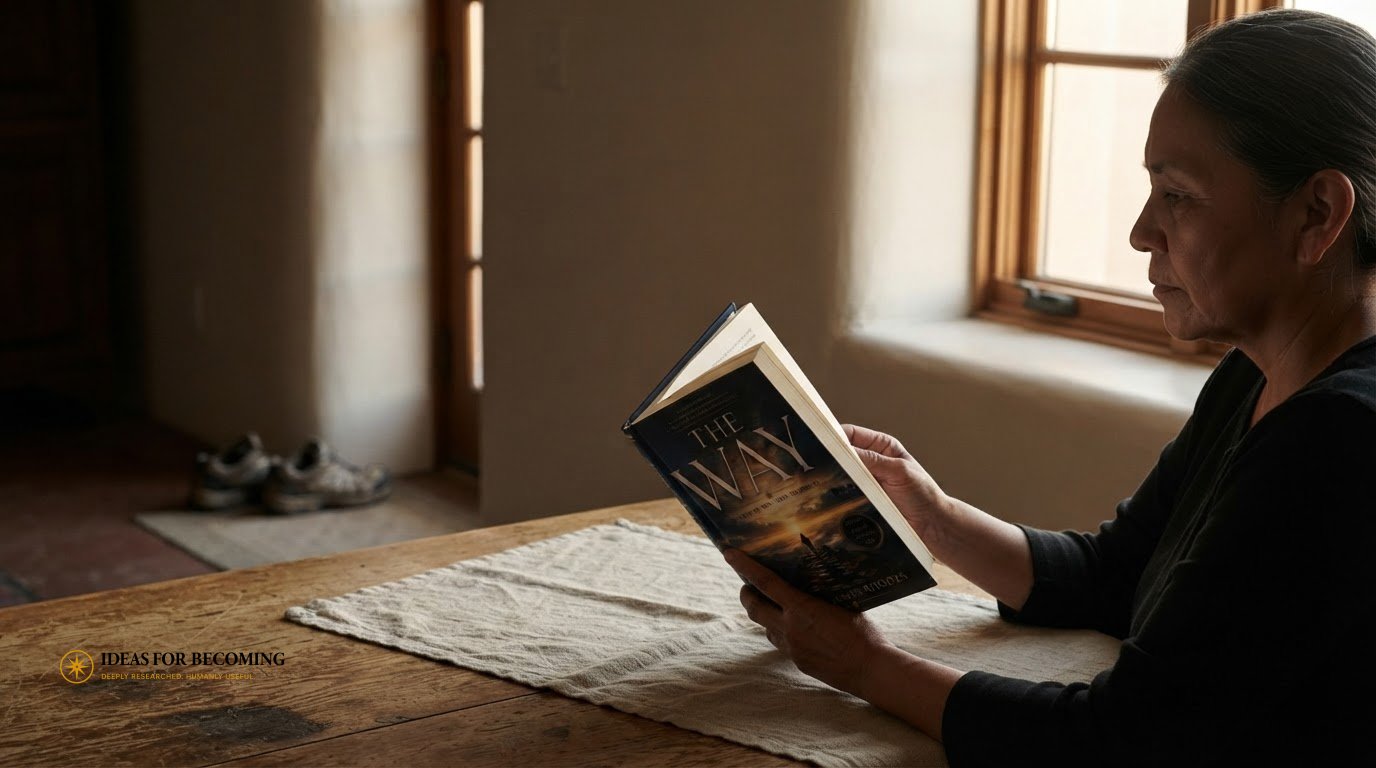
Inspirational Books for Holistic Personal Growth and Steady Habits
Explore inspirational books for holistic personal growth, and learn how mindfulness and steady habits support change across daily life in everyday practice.
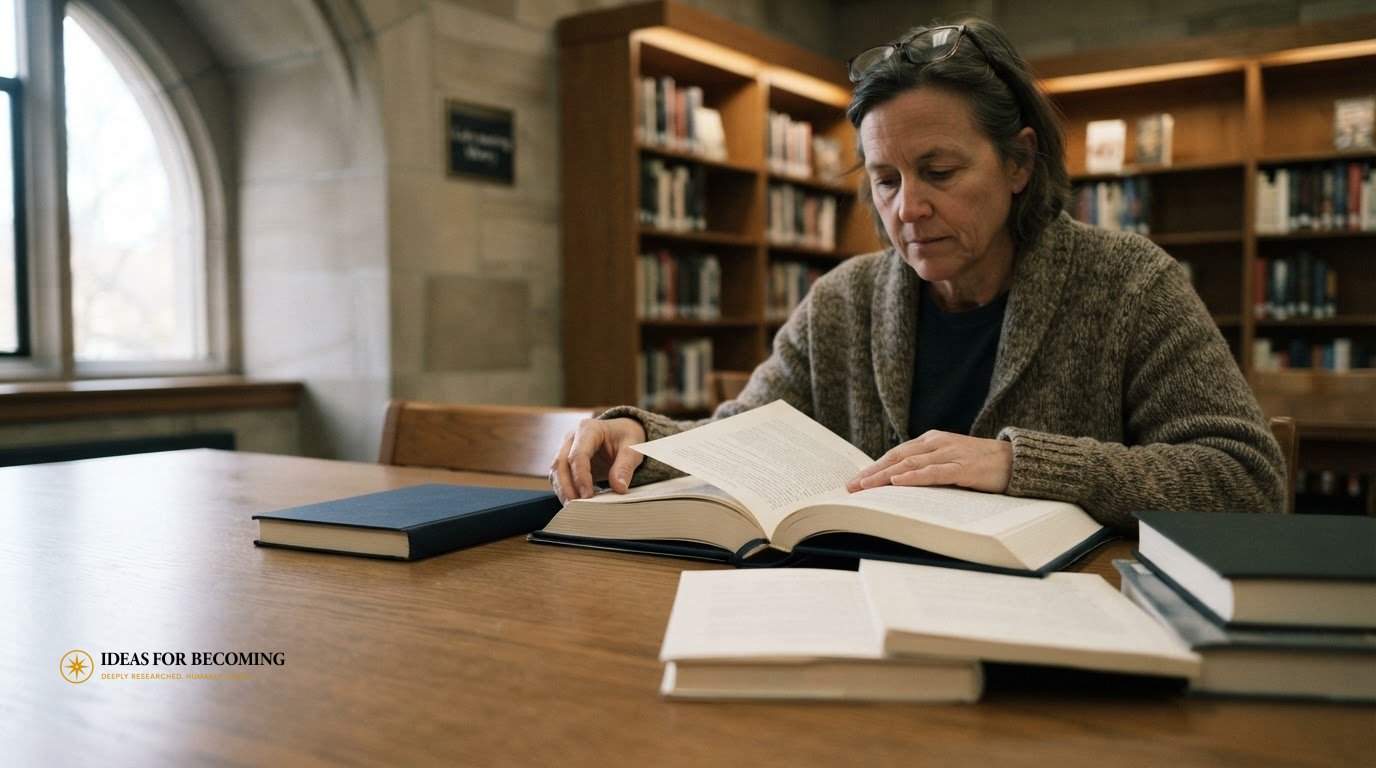
Books on discovering meaning through adversity: choose a path
Explore Books on discovering meaning through adversity, from purpose and resilience to grief and mortality, and choose a guide that fits what you need now.
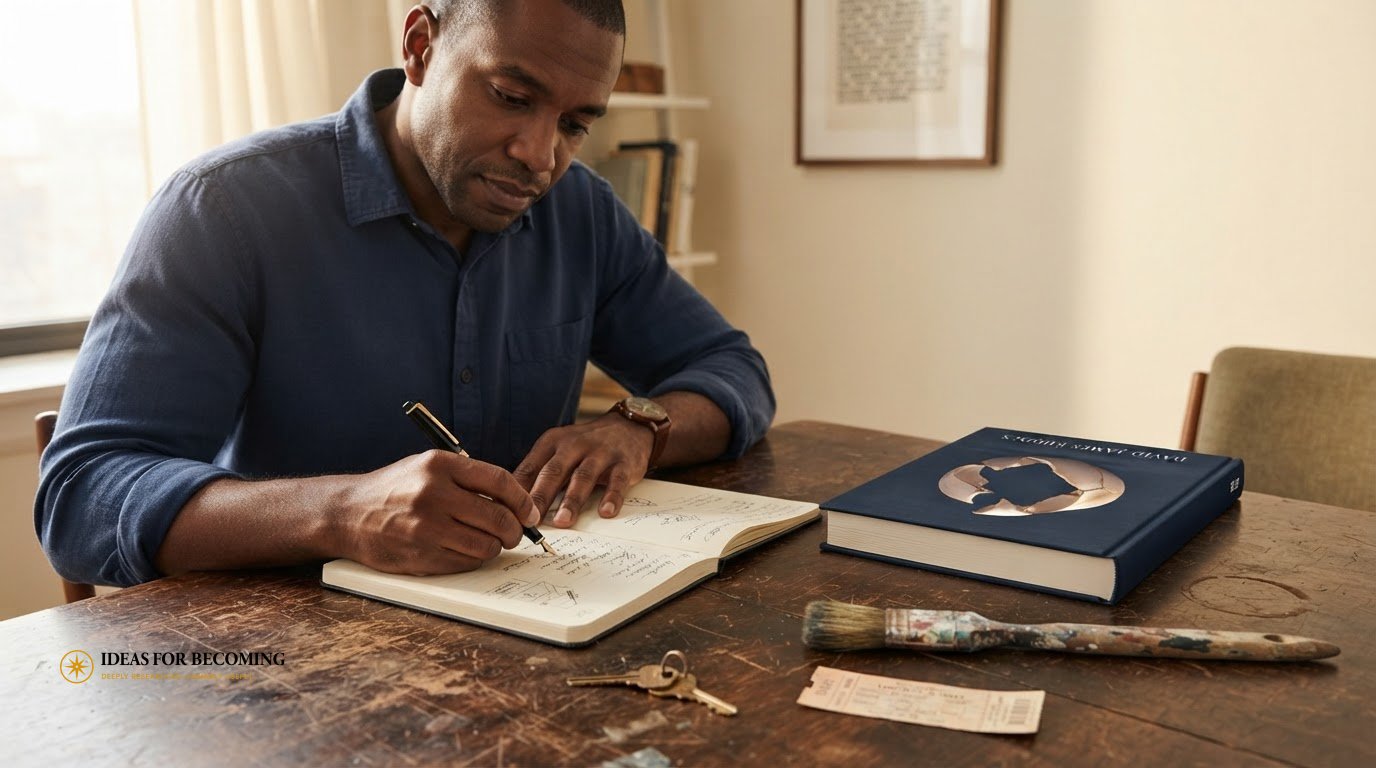
Use 'Life After Anything' Exercises to Find Direction
Use Life After Anything practical exercises to explore ambitions, natural strengths, future vision, and life patterns, then take one small step toward direct...