Personal growth is not about becoming a more polished version of who you already are. It is the ongoing work of becoming more intentional in how you think, act, and meet the life in front of you. Inspirational guides for holistic personal growth can offer perspective, but their value depends on how you put that insight into daily practice.
It makes sense to look for a clear starting point. Mindfulness can help you notice what is happening now, while consistent habits can turn that awareness into action. Neither requires a dramatic reinvention. Both call for attention, repeated over time.
This guide explores personal growth across different parts of life, how mindfulness and steady habits can support it, and how to choose a guide that suits your circumstances. Begin with the area that feels most pressing, not the one that seems most impressive. Then ask: who are you becoming through the choices you repeat?
Key Takeaways
- Choose a guide that speaks to the part of life you’re ready to examine, rather than trying to change everything at once.
- Use mindfulness to notice your thoughts and reactions before deciding how to respond.
- Look at personal growth across your inner life, relationships, physical well-being, and sense of purpose.
- Make change more practical by turning one useful insight into a small action you can repeat.
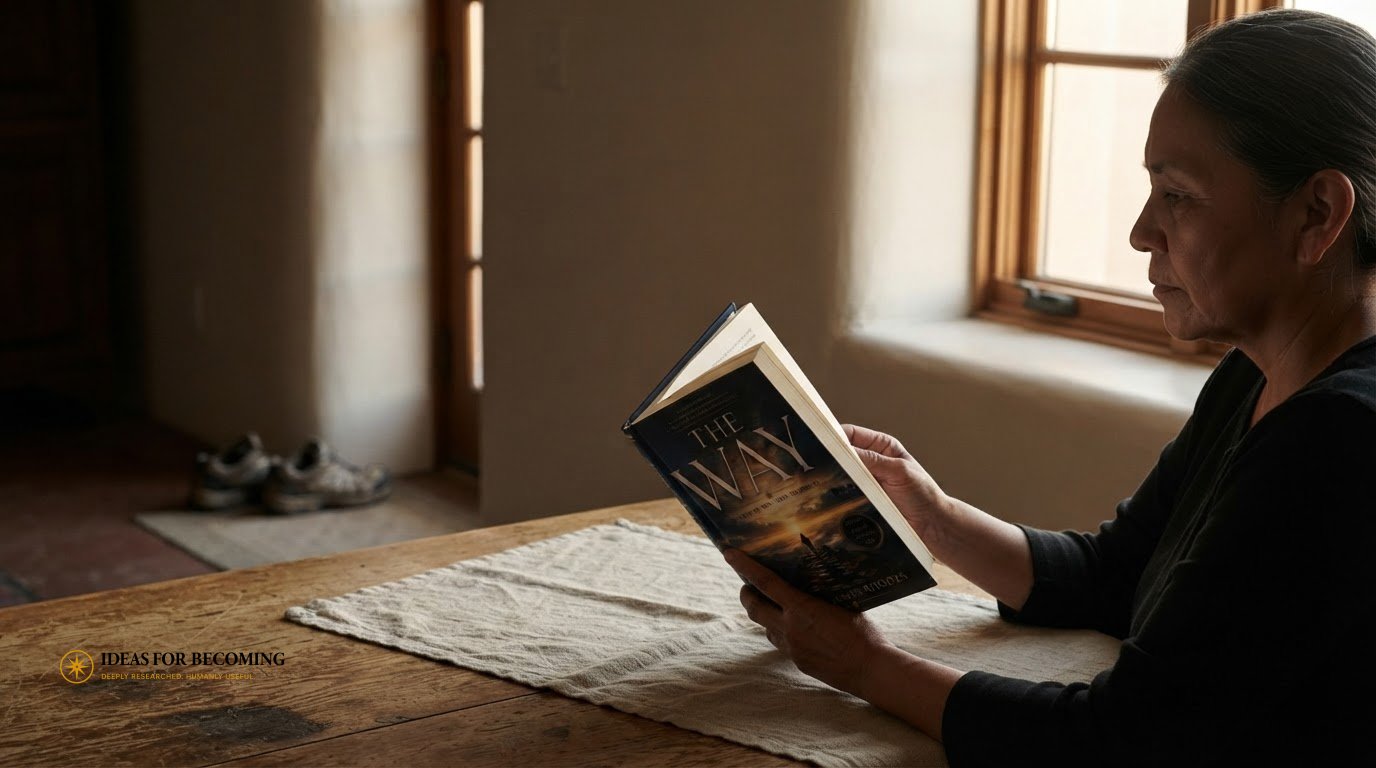
- Explore The Way when you want to consider growth as an ongoing question of character and who you are becoming.
1. Where to start with Self Improvement Guides & Personal Development?
The best inspirational guides for holistic personal growth meet a present need and connect insight with action. If motivation feels low, start with a guide that helps clarify what matters. If self-esteem is your concern, look for thoughtful exercises in self-compassion and reflection. A guide cannot choose your direction, but it can help you see a next step more clearly.
Popular personal development guides differ in approach and tone. Napoleon Hill’s Think and Grow Rich, first published in 1937, represents a classic success-oriented approach, while reflective guides often focus more on awareness, emotional understanding, or daily practice. A directive tone may suit someone seeking structure; a gentler, exploratory voice may feel more useful when self-criticism is getting in the way. Read a sample passage and notice whether its method feels practical, respectful, and relevant to your life.
When choosing a recently published personal growth guide, focus on the change you want to make rather than publication date alone. A guide centered on emotional awareness may suit a period of strained relationships, while one focused on routines may help when intentions keep fading. Ask whether its examples and exercises speak to your circumstances, not whether it promises a complete solution.
For emotional, mental, physical, and spiritual growth, look for a guide that treats these areas as connected without claiming one method can address them all. Try writing down one concern in each area, then choose the one affecting daily life most. This turns a broad ambition into a specific focus for reading and personal development.
Self-help guides have limits. A broad formula for success may overlook illness, family pressures, or circumstances outside one person’s control. Reading many self-help guides does not, by itself, make change happen. Motivation can start development, but repeated choices and honest reflection give it direction. If a pattern feels hard to examine alone, counseling can complement reading with a confidential space to explore it with a professional.
Some readers find Internal Family Systems useful as a framework for approaching inner conflict with curiosity rather than shame. Instead of treating a self-critical thought as the whole truth, pause and consider what it may be trying to protect. Pair that reflection with a workbook activity: write down the thought, what triggered it, and a more compassionate response. The Life After Anything Companion Guide & Workbook offers a structured format for reflection when written prompts help turn ideas into personal insight.
The best recent personal growth guides match the change you want to make, such as improving emotional awareness or building routines. Choose one with examples and exercises that feel practical, respectful, and relevant to your circumstances.
Look for a guide that treats emotional, mental, physical, and spiritual growth as connected while recognizing that one method cannot address every area. Start by identifying a concern in each area, then choose the one affecting your daily life most.
2. Guides for Mindfulness and Living in the Present
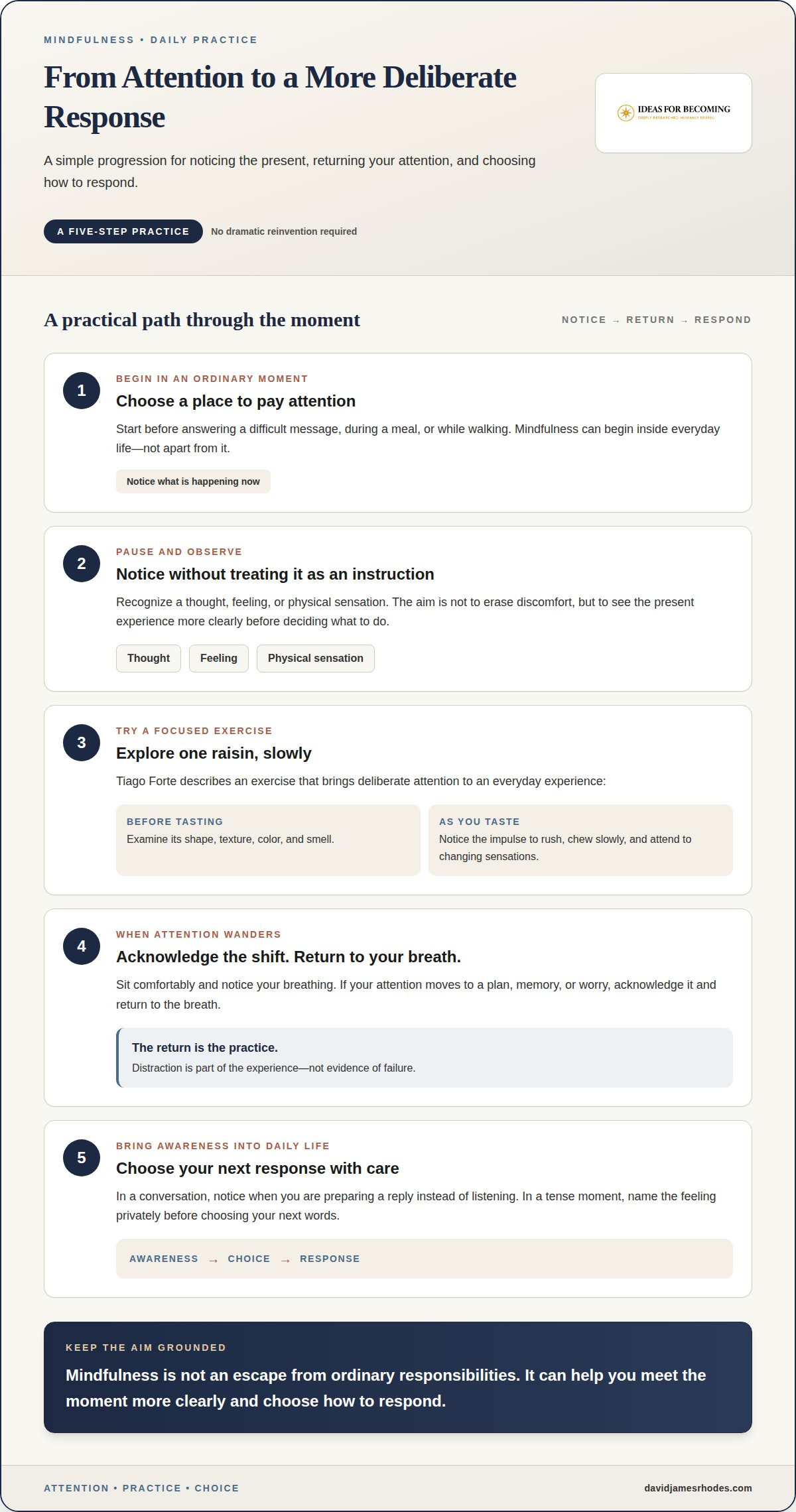
A mindfulness guide is most useful when it makes attention practical. It can help you notice a thought, feeling, or physical sensation without treating it as an instruction. That pause matters in ordinary moments: before answering a difficult message, during a meal, or while walking. The aim is not to erase discomfort, but to meet the present experience more clearly and choose how to respond.
Tiago Forte describes a raisin exercise that begins with one raisin. Examine its shape, texture, color, and smell before tasting it. Notice the impulse to rush, then chew slowly and attend to the changing sensations. This small practice shows how mindfulness can bring deliberate attention to an everyday experience. A guide that clearly explains an exercise gives you something to try, rather than an ideal to admire.
Meditation offers another structure for practicing presence. Begin by sitting comfortably and noticing your breath. When your attention shifts to a plan, memory, or worry, acknowledge the shift and return to breathing. That return is the practice. A useful guide explains what to do when your mind wanders, because distraction is part of the experience, not evidence of failure.
Which guides combine mindfulness, habits, and emotional well-being? Look for one that pairs an attention practice with a repeatable daily action and reflection on feelings. For example, it might combine a brief breathing pause with a written note about what triggered a reaction. This links awareness to behavior without promising that one exercise will resolve every difficulty.
Mindfulness can change how you meet both positive and difficult experiences. During a conversation, notice when you start preparing a reply instead of listening. In a tense moment, name the feeling privately before choosing your next words. These examples make presence concrete and keep mindfulness grounded in relationships, purpose, and daily life, rather than presenting it as an escape from ordinary responsibilities.
Choose a guide by considering its method, tone, and fit. Does the author explain practices in plain language? Do the examples reflect your actual life? Does the guidance allow for different experiences, or imply that one routine works for everyone? A reading sample can help you judge whether the approach feels steady and usable. The best choice is not necessarily the most ambitious one, but the one whose practice you can return to honestly.
Use reading as a beginning, not a substitute for care. If distress is interfering with daily life, mindfulness exercises alone may not address what is happening; a qualified professional can offer support suited to the situation. A guide can still help you observe your responses and prepare questions for that conversation. Presence is not passive. It means paying attention to what is here and being willing to respond with care.
3. What is Personal Growth?
Personal growth is the process of changing how you think, act, and relate to others. It can begin with a repeated pattern, such as agreeing to extra work and then feeling resentful. Notice the moment before you say yes. Name the fear or expectation behind it, then choose a more honest response next time. This is practical growth, not a demand to become someone else overnight.
Guides about habits and behavior change can help you examine the sequence behind an action. James Clear’s Atomic Habits emphasizes small, repeatable behaviors. For instance, placing walking shoes beside the door can make it easier to start a walk. The useful test is whether an idea fits your circumstances. A routine that ignores caregiving, disability, or work demands may create blame rather than support growth.
Personal growth can also involve changing thought patterns. If a mistake brings the thought, “I always fail,” write down what happened, the conclusion you drew, and a more accurate alternative. For example: “I missed this deadline; I can discuss what delayed the work.” This is not forced positivity. It separates one experience from a fixed judgment about identity. A helpful guide encourages this kind of examination without treating every difficulty as a personal defect.
Growth is not only individual. Emergent Strategy by adrienne maree brown connects personal practice with collective change and activism. Its perspective can prompt practical questions: whose voices shape a decision, who carries its costs, and what small change could make a group fairer? Personal development and systems change are related, but not interchangeable. Reflection may change how you participate; broader change also takes shared effort and action.
A departure, loss, or decision to leave a familiar role can bring radical change. In Wild, Cheryl Strayed recounts a long-distance hike after major personal upheaval. Her story can prompt readers to consider what solitude, physical challenge, or a new direction might mean, without making one person’s experience a universal prescription. During a transition, a grounded first step could be listing what must change now and what can wait.
Guides by women and diverse authors offer distinct perspectives. Brené Brown’s The Gifts of Imperfection explores vulnerability and self-acceptance; bell hooks’s All About Love considers love as an ethical practice; and brown’s Emergent Strategy links personal habits with collective action. Their approaches differ, so choose according to the question you’re ready to face.
Print, ebook, and audiobook prices vary by format, edition, length, and narration. Compare the price and format of the specific edition before choosing. The lowest-cost option is not useful if it does not suit how you read or listen.
4. Consistent habits and personal growth
Personal growth becomes visible in repeated choices, not intentions alone. If you want stronger relationships, practice listening without interrupting during a daily conversation. If you seek emotional steadiness, pause before sending a tense message. These actions may seem small, but they give insight a place in ordinary life. A habit is not a complete answer; it is one way to give a chosen value practical form.
A regular reading habit can make reflection more reliable. One recommendation is to read for 30 minutes each day, but the useful routine is one that fits your schedule. Choose a quiet place, keep the current guide nearby, and stop at a clear passage worth remembering. If a full session feels difficult, reading positive material for a few minutes can still create a deliberate moment for attention.
Reading widely is not the same as applying what you learn. One list creator read 52 self-development guides in a year and took at least one key point from each into daily working life. Adapt that idea without turning it into a quota: after reading, write one insight and identify where it could change a real decision. A note about patience, for example, might become a conscious effort to let a colleague finish speaking.
Relationships grow through habits another person can experience. Set aside time for a regular conversation with someone important, put distractions away, and ask a question before offering advice. If a disagreement keeps recurring, note what happens just before it begins. That detail may reveal a pattern worth changing. Consistency means returning to care and honesty, not expecting every conversation to go well.
Goals need actions that can withstand ordinary interruptions. If you want to develop a spiritual practice, attach a brief moment of reflection to an existing routine, such as sitting quietly before breakfast. If your goal concerns physical well-being, prepare what you need for a walk the day before. These cues make it easier to begin. When circumstances shift, review the goal and adjust the habit rather than abandoning its purpose.
The Four Agreements is a guide some readers recommend revisiting regularly. Returning to a familiar guide can reveal how your understanding changes with new experiences. The aim is not to collect spiritual or emotional insights without limit. Notice which principle still challenges your behavior, then choose an action that expresses it. Revisiting a guide can make reading a practice of reflection rather than mere accumulation.
Intention can also help make space for reading. One author said that after deciding to make time, she began and nearly finished a new guide within a short period. That account offers no universal timetable; it illustrates how a clear decision can alter daily choices. Set a time, leave the guide where you can see it, and protect that small appointment. Build steady habits through repeated attention, then revise them when life changes.
5. Benefits of Reading Personal Growth Guides
A well-chosen guide can give language to a pattern you have felt but not named. For example, a chapter about avoidance may help you recognize how postponing a difficult conversation increases tension. Naming the pattern does not resolve it, but it gives you a clearer place to begin and a more precise question to bring to the conversation.
Personal growth reading can create a pause between an event and your response. Imagine receiving critical feedback at work and immediately thinking, “I’m not capable.” A guide may prompt you to separate the comment from that sweeping conclusion. Ask what the feedback specifically describes, what remains uncertain, and what action could address it. That shift can make a difficult moment more manageable.
Another benefit is access to perspectives beyond your immediate experience. A guide about leadership, family relationships, or cultural difference can introduce a viewpoint you may not encounter in your usual circle. For example, reading about attentive listening might encourage you to ask what a colleague values before defending your position. A new perspective can broaden your judgment without requiring agreement.
Useful guides can turn broad intentions into reflection. After reading a passage on courage, write down a situation you have been avoiding, why it matters, and a first step that respects your limits. This gives you a record to revisit. Over time, your notes may show whether your choices are moving toward purpose or repeating familiar reactions.
Reading may also help you question narrow ideas about happiness and success. A guide that considers achievement alongside relationships could prompt you to notice what a demanding goal is costing at home. You might then define success more fully: completing meaningful work while staying present for an important conversation. The value lies in examining the definition, not adopting someone else’s.
Wisdom on a page becomes more useful when you test it against everyday life. Choose one idea, apply it in a specific situation, and observe what follows. If a chapter recommends setting boundaries, try a clear, respectful response to a request that exceeds your capacity. Then reflect on the outcome. This keeps reading connected to experience rather than turning it into an endless search for perfect advice.
The central benefit is not that a guide can decide who you should become. It can offer concepts, examples, and questions that sharpen your judgment. Treat each insight as something to examine, not an instruction to obey. The practical takeaway is simple: read with a real concern in mind, choose one idea, and consider where it could change your next action.
David James Rhodes
David James Rhodes offers a perspective on personal growth centered on human becoming: how reflection shapes character, action, and a way forward. His work can help when reading has clarified what matters but you are still considering how to carry that insight into leadership, relationships, or a new stage of life. Leadership & Life Advisory and Education & Next Generation Advisory bring this focus to individual and broader questions of growth. Speaking takes these ideas to audiences exploring purpose, responsibility, and change. The guiding question is not simply which habit to adopt, but who you are becoming through your choices. To explore these questions further, contact David James Rhodes.
Carry the Insight Into Your Next Choice
Choose one idea that stayed with you, then apply it to a real decision. A guide can offer language and perspective, but your response gives that insight meaning. The question is not whether you can change everything at once. It is whether your next choice reflects the person you intend to become.
For a deeper exploration of human becoming, The Way considers how character, courage, and action shape the way forward. Keynote Speaking and Leadership & Life Advisory bring these questions into conversations about purpose, responsibility, and leadership. Inspirational guides for holistic personal growth can help you reflect; the work continues in what you choose to practice.
If you’re ready to explore what comes next, contact David James Rhodes. Begin with one honest choice. Keep going from there.
Frequently Asked Questions
What Is Personal Growth?
Personal growth means developing your capacity to respond more deliberately to life. It might mean learning to receive feedback without becoming defensive, asking for help before a problem worsens, or reconsidering a goal that no longer reflects your values. Progress is not always visible to others. A useful measure is whether your choices increasingly match the person you intend to become.
Where to Start With Self-Improvement and Personal Development?
Start with a specific situation you want to handle differently. For example, if you avoid asking questions at work, choose a guide about confidence or communication, then identify a low-stakes moment to practice. Notice what made the step easier or harder. This keeps reading relevant to your life and helps you assess whether the guide’s language and approach suit your needs.
What Are the Best-Reviewed Personal Growth Guides for Beginners?
There is no single best-reviewed guide for every beginner, and reviews alone cannot tell you whether an approach fits. Consider Mindset by Carol Dweck if you want to examine beliefs about ability and learning. For a broader introduction, read a sample and assess whether its examples feel clear, humane, and useful. Choose a guide that addresses a real concern rather than collecting titles.
Which Inspirational Guides Offer Practical Exercises or Step-by-Step Guidance?
For structured, practical reading, Tiny Habits by BJ Fogg focuses on designing small behaviors, while Designing Your Life by Bill Burnett and Dave Evans offers exercises for exploring possible directions. Before choosing, look for prompts, reflection questions, or activities you can complete. Select the format that helps you move from an idea to a considered next step.
What are the best inspirational personal growth guides published recently?
Choose a recently published guide based on the change you want to make, such as improving emotional awareness or building routines. Look for practical, respectful examples and exercises that suit your circumstances.
Which guides cover emotional, mental, physical, and spiritual growth?
Look for a guide that treats emotional, mental, physical, and spiritual growth as connected while recognizing that one method cannot address every area. Identify a concern in each area, then focus on the one affecting daily life most.
Frequently Asked Questions
Related Articles

Books on discovering meaning through adversity: choose a path
Explore Books on discovering meaning through adversity, from purpose and resilience to grief and mortality, and choose a guide that fits what you need now.

Use 'Life After Anything' Exercises to Find Direction
Use Life After Anything practical exercises to explore ambitions, natural strengths, future vision, and life patterns, then take one small step toward direct...

Books for Navigating Life’s Profound Changes with Resilience
Books for navigating life's profound changes offer perspective and ways to build resilience, test new directions, and consider who you are becoming now.